Proudly serving Phoenix, Glendale, Scottsdale, Tempe, Mesa, Chandler & surrounding areasCall or Text 24/7: 480-210-2603

Mobile Auto Repair & Check Engine Light Diagnostics in Scottsdale, AZ

Phoenix Mobile Car Mechanic brings check engine light diagnostics, brake repair, car battery replacement, alternator replacement, starter replacement, and other mobile auto services to Scottsdale, AZ. We meet drivers at driveways, office lots, and roadside locations, so a warning light or no-start condition does not automatically require a tow or shop drop-off. Our service also includes oil changes, AC repair and recharge, radiator and cooling system repair, spark plug and ignition coil replacement, and pre-purchase car inspections. Domestic and import vehicles are supported across Scottsdale's mix of daily drivers, trucks, and luxury imports.

Summer asphalt temperatures in Scottsdale regularly exceed 150 degrees, while ambient air above 110 degrees stresses cooling systems, batteries, AC compressors, ignition coils, and rubber vacuum lines. Fine desert dust can also foul air filters and mass airflow sensors, altering fuel-trim readings. We combine an OBD-II scan with freeze-frame data, live sensor readings, system history, and targeted physical checks instead of treating a code as a parts order. Findings are explained in plain language before repair work begins.

If your dashboard warning light is on or you are evaluating a used car in a Scottsdale parking lot, call to arrange an on-site diagnostic visit.

★ ★ ★ ★ ★4.9/5 Average Rating - 20+ Years of Experience - Scottsdale Mobile Mechanic Specialists - Residential & Commercial
Scottsdale Mobile Services

Mobile Auto Repair Services in Scottsdale, AZ

Scottsdale drivers can request mobile service throughout Old Town, DC Ranch, McCormick Ranch, Gainey Ranch, Grayhawk, and the Shea corridor. Coverage also extends north to Troon and Rio Verde and to Paradise Valley, Fountain Hills, Cave Creek, and the broader Maricopa County area. Scottsdale has grown from roughly 217,000 residents in 2010 to over 241,000, adding traffic and heat cycling along Shea Boulevard, Pima Road, and Loop 101. The same mobile model is available in neighboring Tempe, AZ for drivers who need service where their vehicle is parked.

Check Engine Light Diagnostics

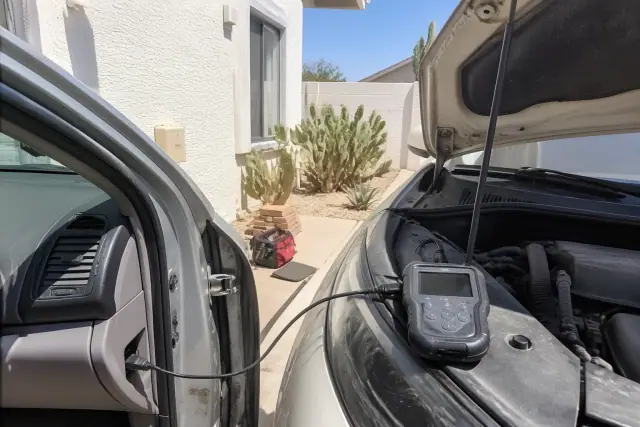
OBD-II scanner connected to a car engine for diagnostics at a residential home in Scottsdale, AZ.

A diagnostic visit starts with a full OBD-II code pull and interpretation of freeze-frame data, live sensor readings, and system history. Enhanced scanners read manufacturer-specific codes as well as generic P0-series codes, and each visit includes a written summary of findings and a repair estimate. Explore Service

Explore Service

Brake Repair

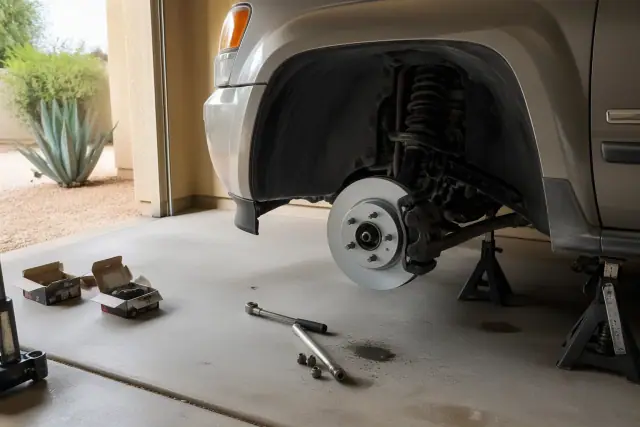
Vehicle with a removed wheel, new brake rotor, and calipers on jack stands in a residential garage in Scottsdale, AZ.

On-site brake service includes pad and rotor replacement and caliper work using manufacturer-spec torque values. The inspection accounts for the effect that desert heat and long descents from North Scottsdale can have on brake fluid and braking performance. Explore Service

Explore Service

Car Battery Replacement

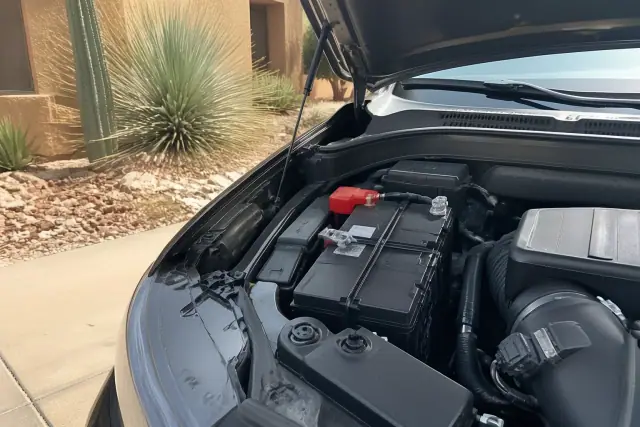
New car battery installed in a vehicle engine bay at a home in Scottsdale, AZ.

Battery testing checks cold cranking amps and charging voltage before replacement is recommended. Arizona heat can shorten battery life to two to three years, compared with the five-year average seen in milder climates. Explore Service

Explore Service

Alternator Replacement

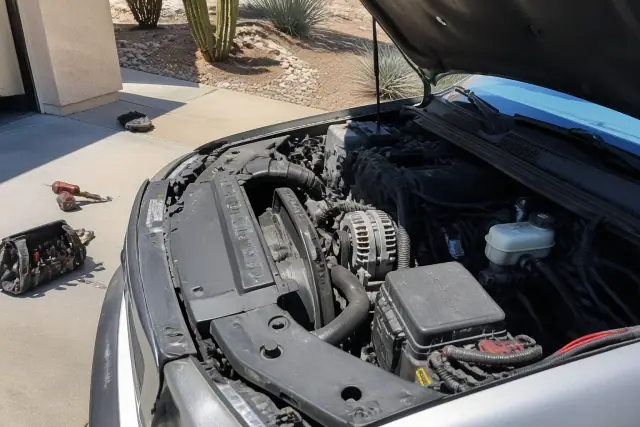
Mobile mechanic performing an alternator replacement on a car in a Scottsdale, AZ residential driveway.

A battery warning and check engine light can appear together when alternator output drops. Charging-system output is tested first so the alternator is replaced only after the fault is confirmed.

Starter Replacement

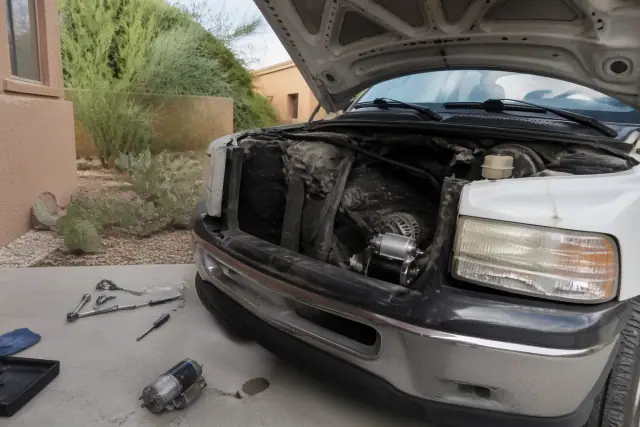
Mobile mechanic replacing a vehicle starter on a concrete driveway at a home in Scottsdale, AZ.

Extreme heat can break down starter motor windings and cause repeated no-start complaints. An on-site starter-draw test helps confirm the problem before replacement.

Oil Change

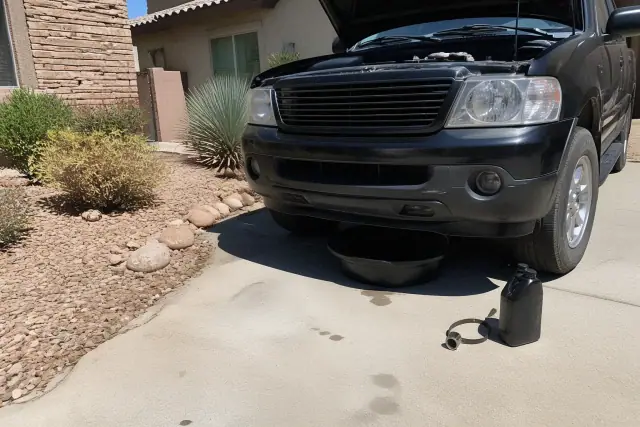
An oil change in progress on a concrete driveway in Scottsdale, AZ, with an oil filter wrench and drain pan visible.

Desert heat, dust, and extended idle time can shorten the useful life of engine oil. Mobile oil changes make it easier to adjust service intervals for the way a vehicle is actually driven in Scottsdale.

AC Repair & Recharge

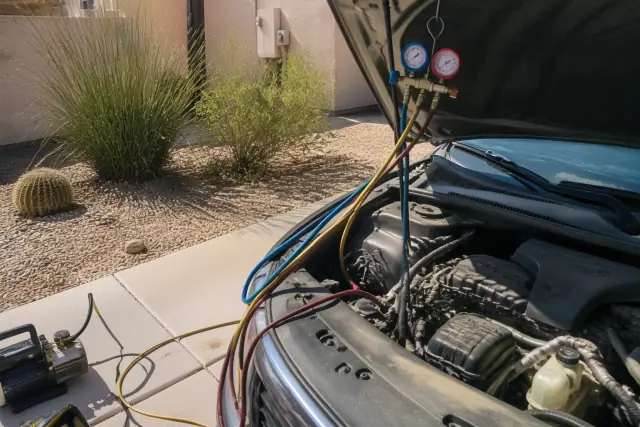
A mechanic performs AC repair on a car parked on a concrete pad at a residential home in Scottsdale, AZ.

Mobile AC repair and recharge addresses a system that works especially hard in Scottsdale heat. The diagnostic approach checks the cause of weak cooling instead of assuming a recharge alone will solve it.

Radiator & Cooling System Repair

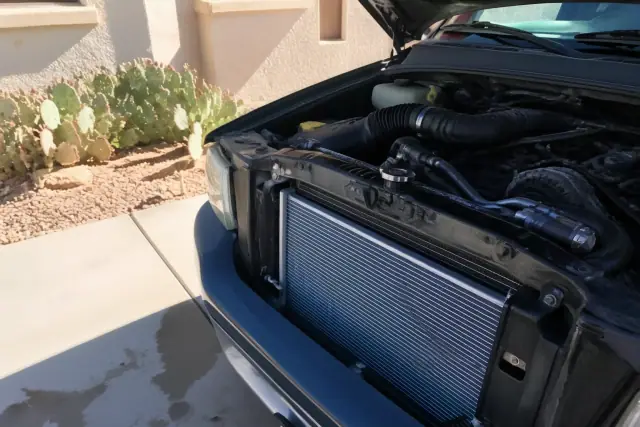
A new radiator and hoses installed in a vehicle engine bay at a home in Scottsdale, AZ.

Cooling-system checks look at coolant condition and related components when high temperatures or warning lights suggest a problem. Radiator and cooling-system repairs are completed on site when they fall within mobile capability.

Spark Plugs & Ignition Coil Replacement

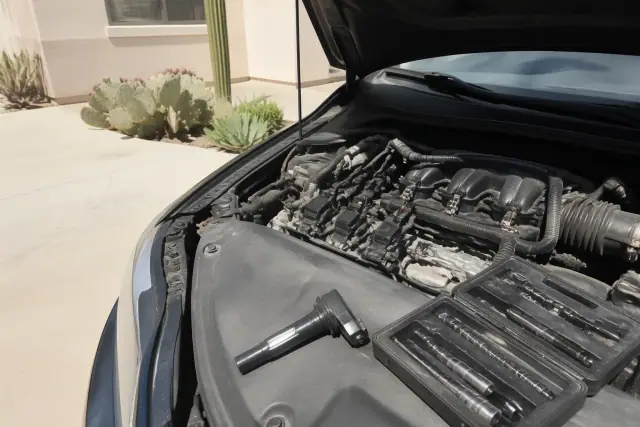
Technician replacing spark plugs and an ignition coil on a car in a Scottsdale, AZ residential driveway.

Worn spark plugs and heat-cycled ignition coils are frequent sources of misfire codes. Mobile units carry OEM-spec plugs and coils for same-visit replacement when testing confirms those components are at fault.

Pre-Purchase Car Inspection

Mobile mechanic inspecting a car with the hood raised on a concrete pad at a home in Scottsdale, AZ.

A pre-purchase inspection brings diagnostic tools to a private seller's driveway or Scottsdale parking lot. The inspection helps a buyer understand warning lights and vehicle condition before making a purchase decision.

Diagnostic Service Selection

How to Choose the Right Diagnostic Service in Scottsdale

The right check engine service should go beyond reading a code number. Look for enhanced code coverage, live-data interpretation, physical follow-up tests, clear written findings, and an honest explanation of which repairs can be completed safely at the vehicle's location.

Enhanced OBD-II Coverage

Choose equipment that can read manufacturer-specific emissions and drivetrain modules, not only generic codes. Broader coverage is especially useful on late-model vehicles with multiple control modules.

Live Data and Freeze-Frame Review

A useful diagnosis compares the stored code with oxygen-sensor voltage, fuel-trim percentages, coolant temperature, and the conditions recorded when the fault appeared.

Targeted Component Checks

Visual checks of vacuum lines, wiring harnesses, and sensor connectors can reveal the actual fault behind a code. Fuel pressure, battery, and charging tests add evidence when symptoms point beyond a single sensor.

Written Findings and Estimates

A written summary should identify the codes found, the likely cause, and the recommended next step. Separating the diagnostic estimate from the repair estimate keeps the decision clear.

Mobile Repair Capability

Many sensor, wiring, spark plug, and ignition-coil repairs can be completed where the vehicle is parked. Confirming mobile capability before work begins avoids unnecessary towing or shop drop-off.

Clear Referral Boundaries

Some repairs require a lift or specialty equipment that cannot be used properly in the field. A dependable mobile mechanic should explain that limit upfront and recommend the appropriate next step.

Scottsdale Warning-Light Issues

Common Check Engine Light Problems in Scottsdale

A warning light can come from a simple sealing issue, a heat-degraded sensor, an ignition misfire, contaminated airflow data, or an electrical fault. Reading the code is only the starting point; the diagnosis should confirm why the monitored value moved outside its expected range.

Request Diagnostic Testing

Loose or Failing Gas Caps

A loose or deteriorated gas cap can trigger an emissions-related light even when the vehicle feels normal. Inspecting the seal and interpreting the stored fault prevents a minor issue from becoming a parts-guessing exercise.

Heat-Degraded Oxygen Sensors

Extended underhood heat can degrade oxygen-sensor response, disturb fuel-trim calculations, and reduce fuel economy before a driver notices a major performance change.

P0300-Series Misfires

P0300-series codes point to random or cylinder-specific misfires that can come from worn spark plugs or heat-damaged ignition coils. Prompt testing also helps protect the catalytic converter from secondary damage.

P0171/P0174 Lean Codes

P0171/P0174 lean fuel-trim codes can be connected to intake heat soak, vacuum leaks, or a mass airflow sensor coated with fine desert grit. Live data and a physical inspection help separate those causes.

P0420 Converter-Efficiency Codes

A P0420 code does not automatically prove the catalytic converter has failed. Testing the upstream oxygen sensor and ignition system first can uncover a sensor problem or misfire behind the efficiency reading.

Charging and Cooling System Faults

Battery, alternator, and cooling-system failures can contribute to dashboard warnings in extreme heat. Charging voltage and coolant condition are checked alongside the stored engine code when the symptoms call for it.

Why Choose Us

Why Choose Phoenix Mobile Car Mechanic in Scottsdale?

Manufacturer-level software, laptop-based scan tools, and ASE-style diagnostic training support a methodical approach across domestic vehicles, imports, daily drivers, trucks, and luxury models. The goal is to trace a mechanical or electrical cause and explain the evidence before recommending repair.

On-Site Convenience

A technician can meet the vehicle at a Scottsdale driveway, office lot, or roadside location with scan tools and hand tools. That removes the need to drive on an unfamiliar warning light just to reach a shop.

Plain-Language Explanations

Codes, live readings, and likely causes are translated into clear next steps. You receive a written summary so you can understand what triggered the light and what the repair is expected to address.

Repair Only When Appropriate

On-site repair begins only after testing supports the recommendation. If the job needs a lift or specialty equipment, that limitation is explained before work that cannot be completed properly in the field.

Six-Step Diagnostic Process

Our Check Engine Diagnostic Process in Scottsdale

The process combines electronic code data with observations and targeted component tests. Each step narrows the possible causes before repair options are presented.

01.

Road Test or Idle Inspection

The visit begins by reviewing the driver's symptoms and observing the vehicle during a road test or idle inspection when conditions allow.

02.

Connect the OBD-II Scan Tool

The technician connects a laptop-based scanner to the OBD-II port beneath the dashboard and communicates with the relevant control modules.

03.

Pull Stored and Pending Codes

Stored and pending codes are retrieved together so intermittent faults and system history are not missed.

04.

Review Freeze-Frame and Live Data

Freeze-frame conditions are compared with live sensor streams while the engine runs, revealing how fuel trim, oxygen sensors, and coolant temperature are behaving.

05.

Perform Targeted Follow-Up Tests

When needed, testing continues with fuel pressure, vacuum and wiring inspection, or battery and charging-system checks to confirm the root cause.

06.

Explain Findings and Repair Options

The codes, likely cause, written findings, and repair estimate are reviewed before any on-site repair begins.

Diagnostic Outcomes

What Accurate Diagnostics Can Clarify

Case Study 1: Root Cause: Stored codes, live data, and a physical check work together to distinguish a monitored-system fault from a confirmed failed part.

Case Study 2: Repair Scope: Testing shows whether the likely fix can be completed on site or requires shop equipment such as a lift.

Case Study 3: Next Step: A written summary and separate repair estimate give the driver a clear decision before parts are replaced.

Mobile Diagnostic Service

Schedule Mobile
Engine Diagnostics in Scottsdale

Call Phoenix Mobile Car Mechanic to arrange check engine light diagnostics at your Scottsdale driveway, office lot, or roadside location. A technician can also inspect a used vehicle where it is being sold.

Scottsdale Diagnostic Help

FAQs About Check Engine Diagnostics in Scottsdale, AZ

These answers explain diagnostic pricing, scan limitations, emissions concerns, timing, mobile repairs, and service coverage for Scottsdale drivers.

Call a Mobile Mechanic

Shop diagnostic fees generally run between $122 and $233 for a straightforward scan and inspection. National averages can approach $554 when labor-intensive tracing, labor, and parts are involved, with the draft's cited figure applying to 2025. Phoenix Mobile Car Mechanic provides a diagnostic estimate before the appointment and separates diagnosis from any recommended repair.

Some auto-parts retailers provide complimentary code scans. Those scans usually return a generic trouble code rather than confirming the underlying mechanical or electrical cause. A technician still needs to compare data and inspect the vehicle before recommending a repair.

A basic reader identifies the circuit or system that logged a fault, not necessarily the failed component. Live sensor data, freeze-frame conditions, and component testing are used to determine why the code appeared.

A full visit includes stored and pending code retrieval, freeze-frame review, live-data analysis, and relevant visual or component checks. The findings, likely cause, and repair estimate are then explained in writing.

No. Arizona Department of Environmental Quality emissions testing requires the check engine light to be off and the onboard diagnostic system not to report incomplete readiness conditions. An active check engine light will fail the OBD-II portion, so the underlying fault needs to be resolved before testing.

An intermittent fault such as a loose gas cap, a marginal oxygen-sensor reading, or a brief fuel-trim problem can turn on the light even when the car feels normal. The stored code should still be interpreted because heat-related wear can turn a minor problem into a more costly repair.

A straightforward scan and interpretation typically takes 30 to 60 minutes. It can take longer when a road test, extended live-data review, or wiring and vacuum-line inspection is needed. Mobile diagnosis avoids a separate shop drop-off or shuttle wait.

Every vehicle sold in the United States since 1996 uses the OBD-II standard. It monitors emissions-related components and stores a code when a monitored value moves outside its expected range, which can illuminate the dashboard light.

Many spark plug, ignition-coil, sensor, and wiring repairs can be completed where the vehicle is parked when testing confirms the cause. If a repair requires a lift or specialty equipment, Phoenix Mobile Car Mechanic explains that limitation upfront.

Common calls involve lean fuel-trim readings, misfires, oxygen-sensor faults, catalyst-efficiency readings, loose gas caps, and charging-system issues. Heat and desert dust can contribute, but each code still requires testing to confirm its actual cause.

Service is available in Old Town Scottsdale, DC Ranch, McCormick Ranch, Gainey Ranch, Grayhawk, the Shea corridor, Troon, and Rio Verde. The stated coverage also includes Paradise Valley, Fountain Hills, Cave Creek, and the broader Maricopa County area.

Yes. Low or unstable charging voltage can produce a battery warning and contribute to check engine symptoms. Testing charging output and battery condition helps distinguish the electrical fault before either component is replaced.

Yes. Pre-purchase car inspections can be performed at a private seller's driveway or a Scottsdale parking lot. Diagnostic scanning helps identify stored warning-light information before the buyer decides whether to proceed.

Sustained heat stresses batteries, cooling systems, ignition coils, AC compressors, and vacuum lines. Fine desert dust can load air filters and coat mass airflow sensors, so the inspection considers those local conditions alongside the electronic code data.

Yes. The source material supports diagnostic service for domestic and import vehicles, including daily drivers, trucks, and luxury imports. Manufacturer-specific code access helps evaluate the more complex control modules found on many late-model vehicles.